 One step Temporary Access Solution suppiler
 21+ Years Professional Experience
 100% Virgin Material
 Engineered HDPE & UHMWPE Solutions for Ground Protection and Temporary Access21+ Years Professional Experience100% Virgin Material
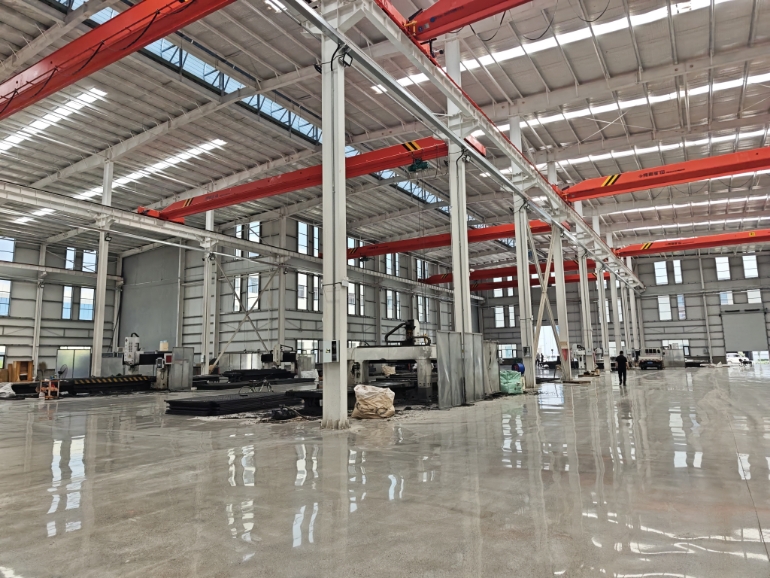
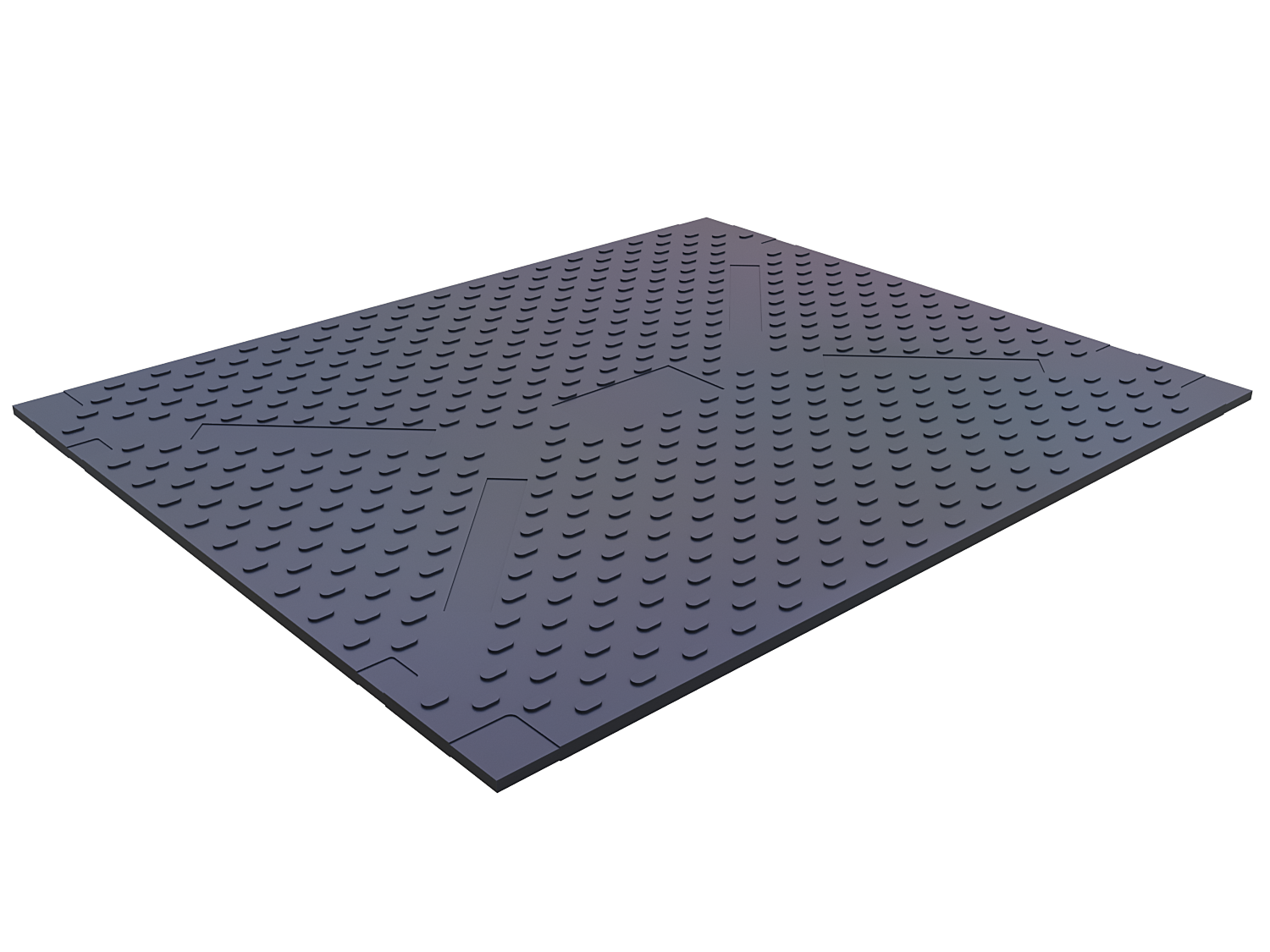
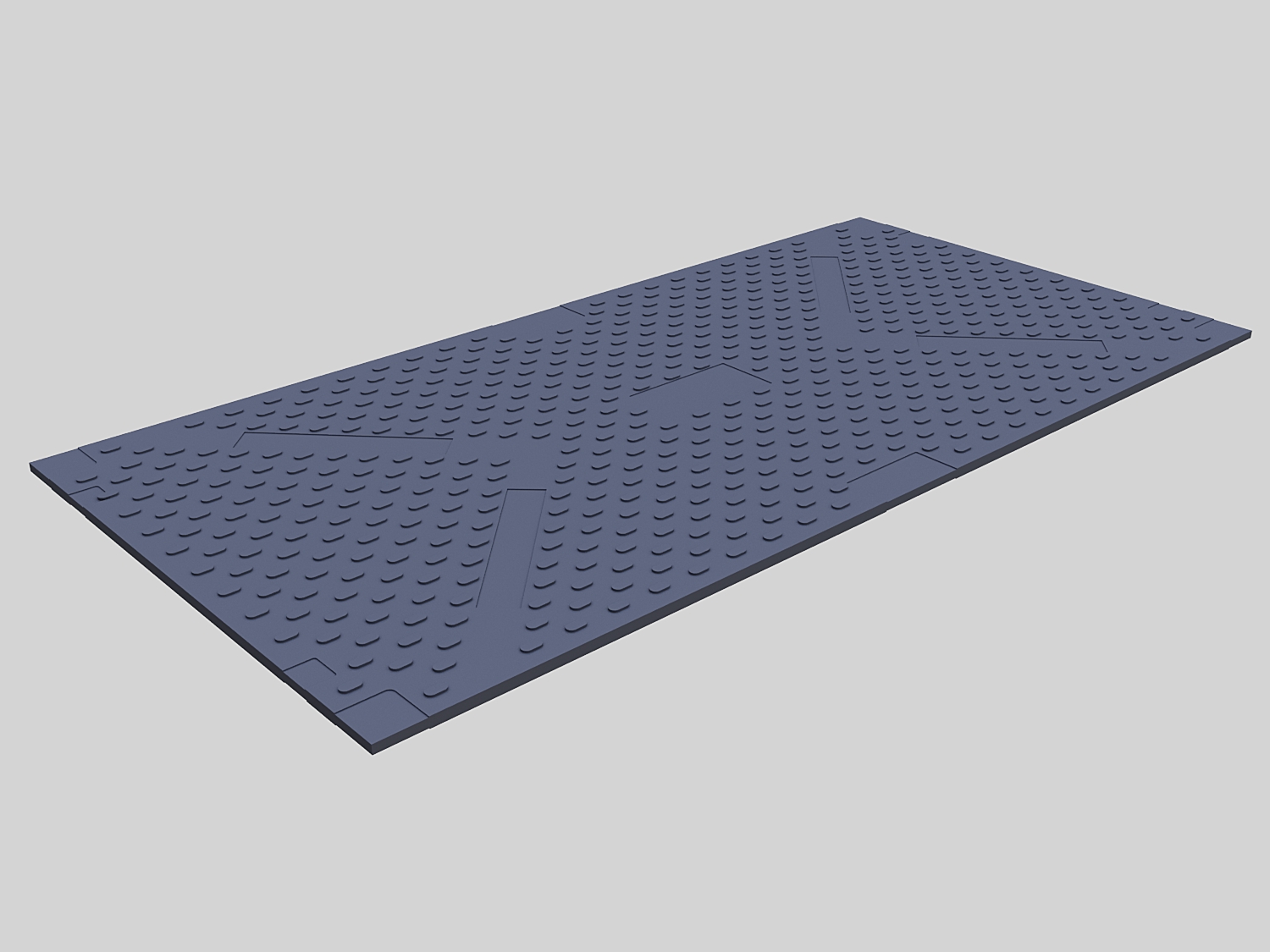
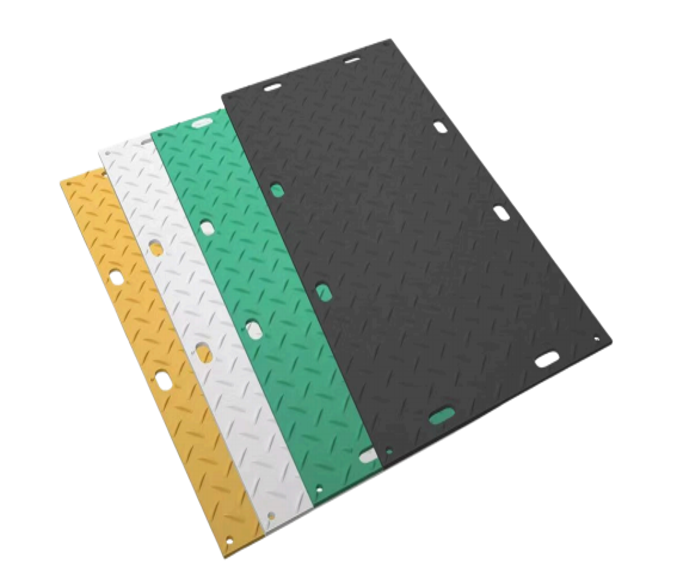
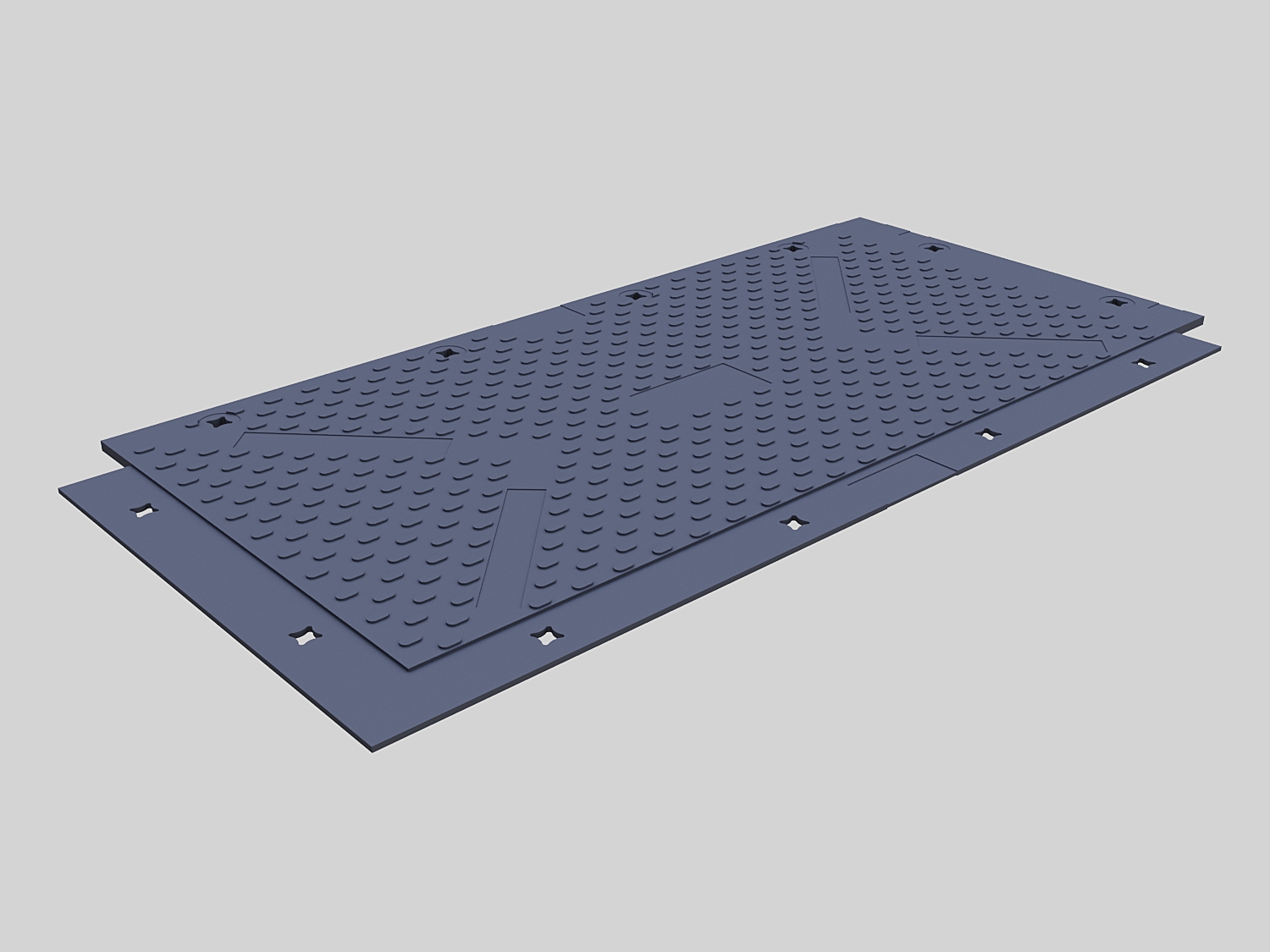
We manufacture heavy-duty ground protection mats and temporary access systems designed to create stable, reliable routes across challenging ground conditions.
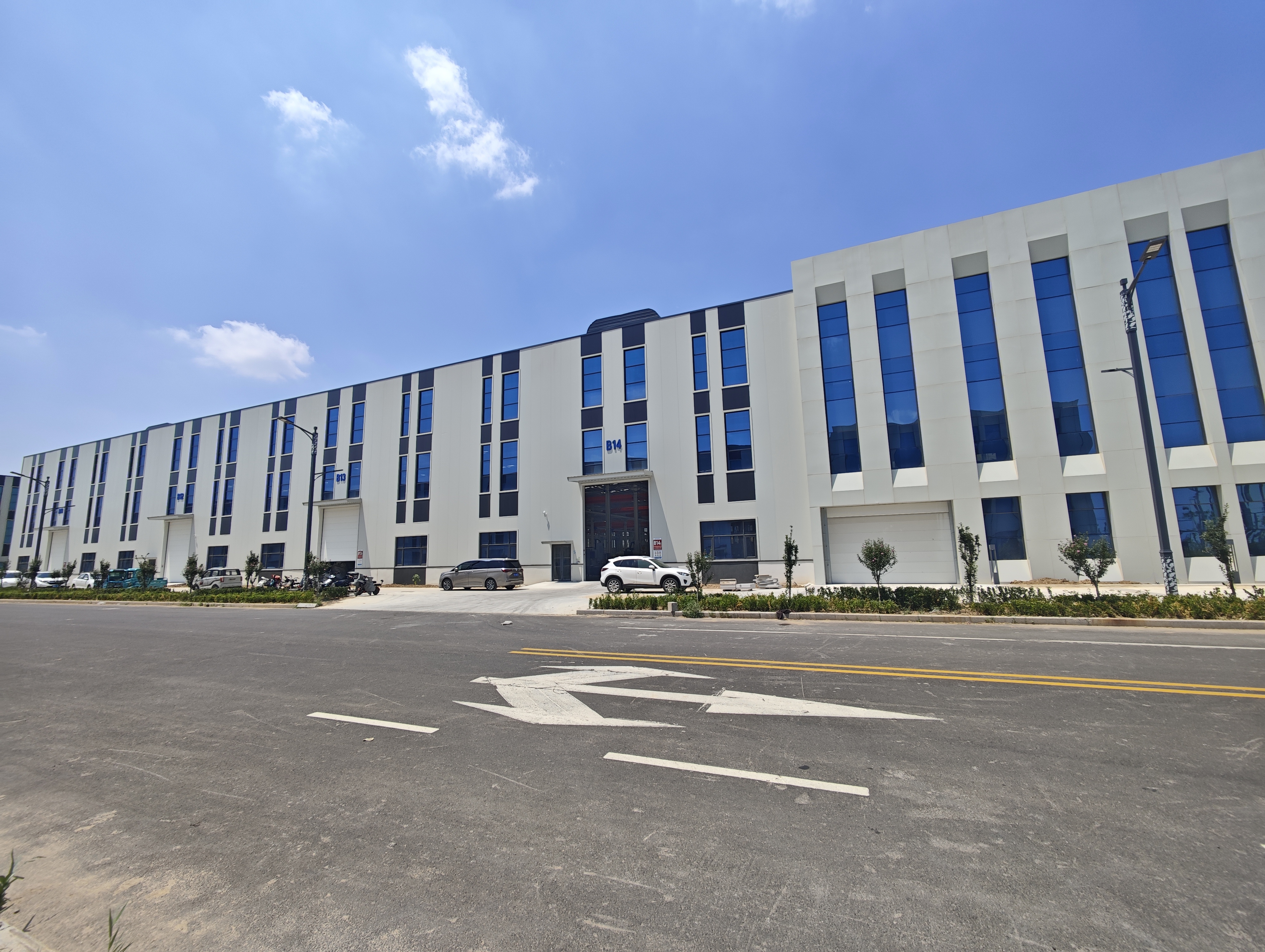
From material selection and mould development to production, machining and quality control, we manage the manufacturing process to deliver consistent products for customers and projects worldwide.
Whether you require a standard product, private-label solution or a customised access system, our manufacturing capabilities allow us to support both regular supply programmes and project-based requirements.
Years Of Experience
Patent Certificate
Projects Completed
Countries Served
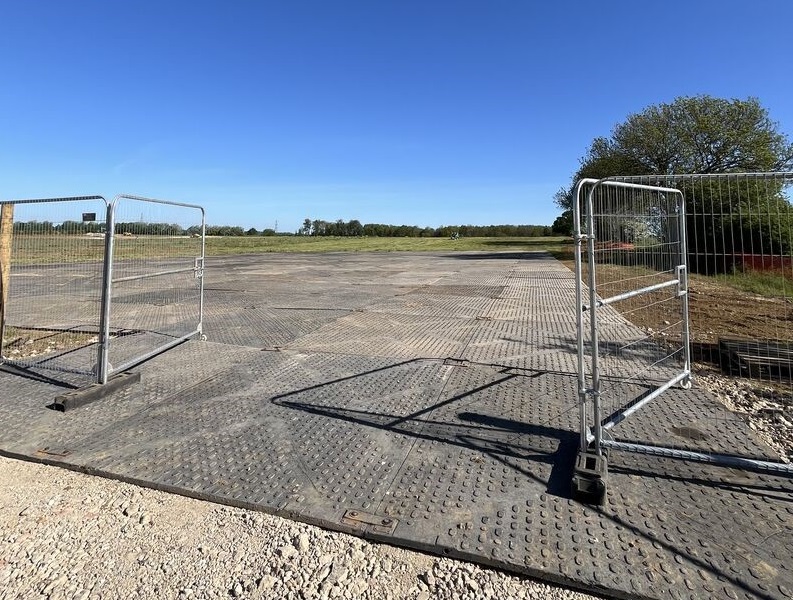
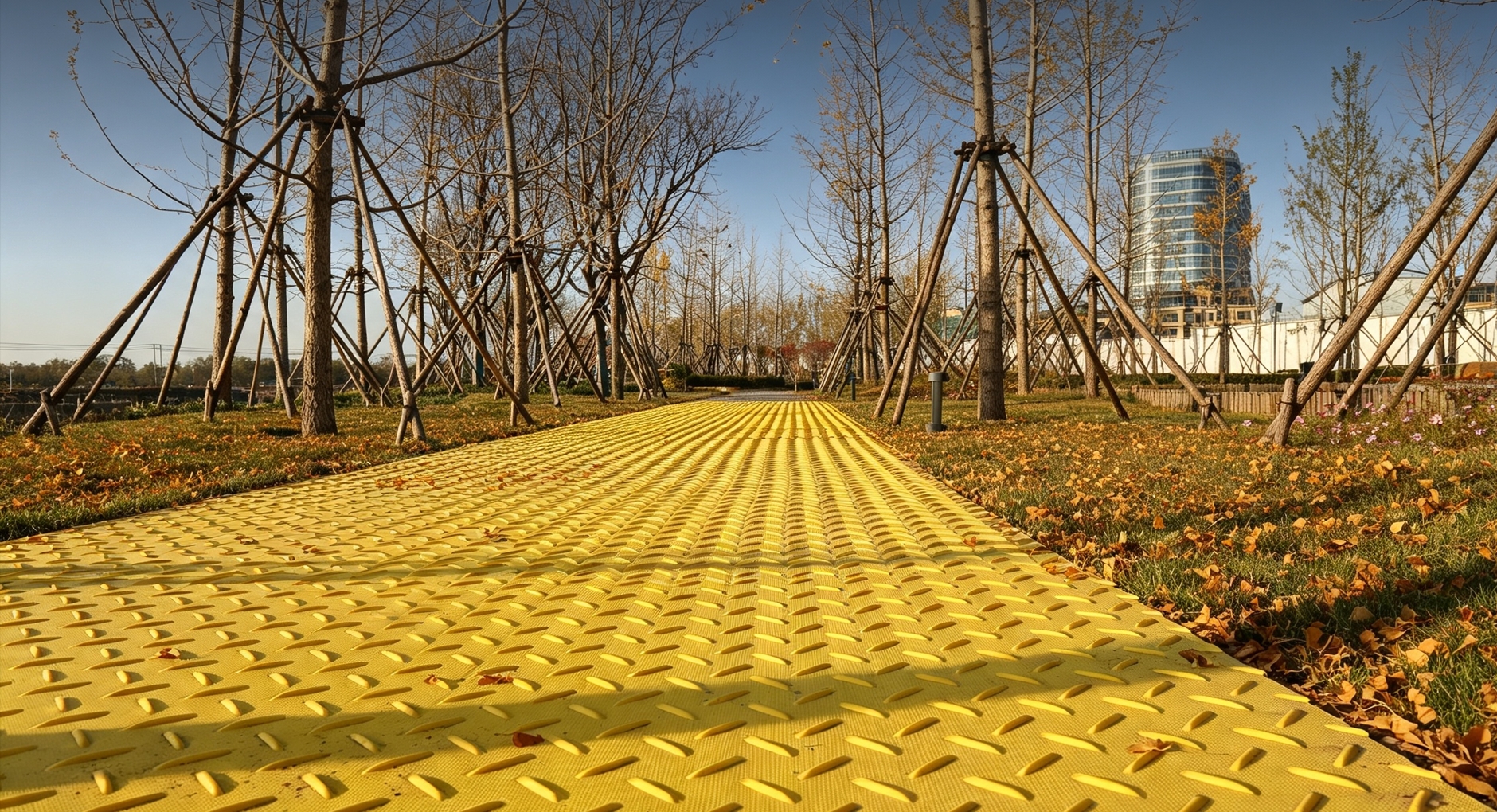
Temporary access routes, haul roads and working platforms for construction and civil engineering projects.
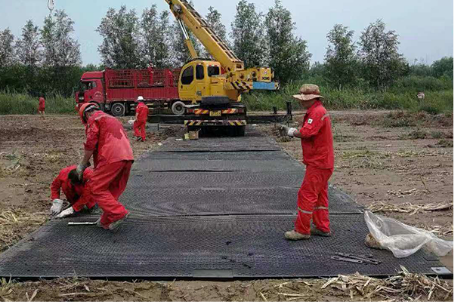
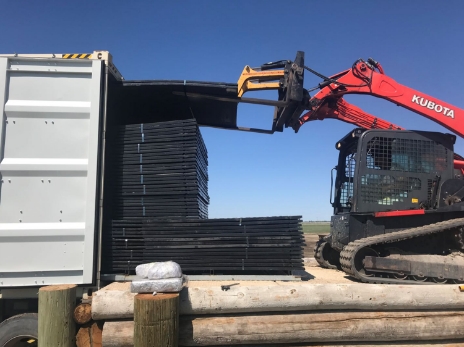
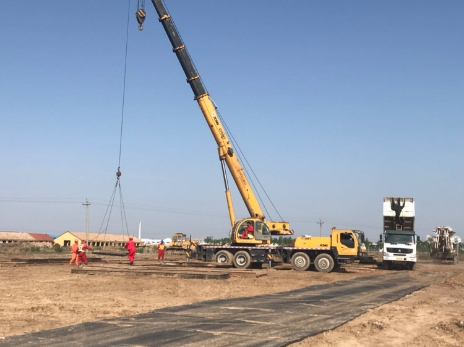
Ground protection and temporary access systems for cranes, heavy plant and lifting operations.
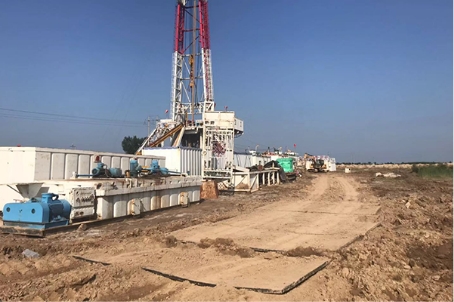
Temporary access solutions for road, rail and major infrastructure projects.
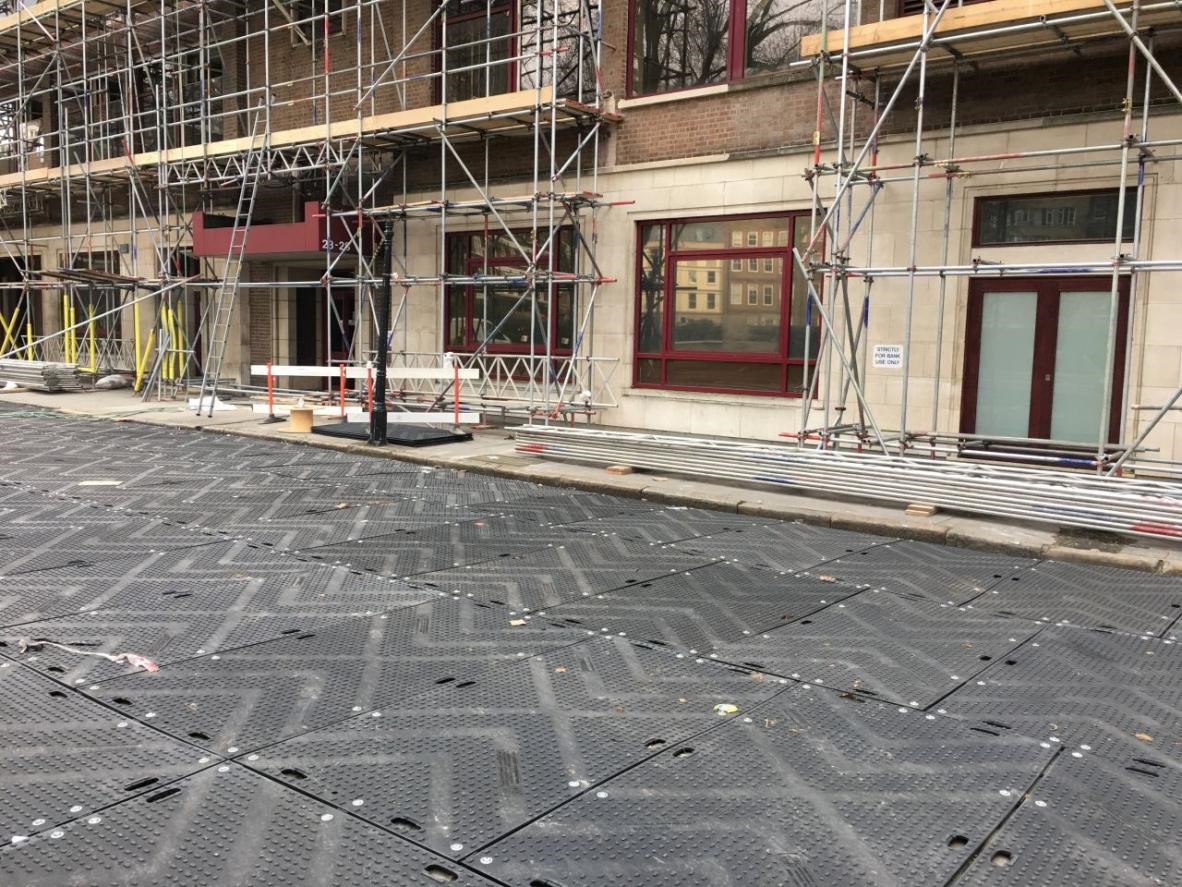
Reliable temporary routes for utility construction, maintenance and field operations.
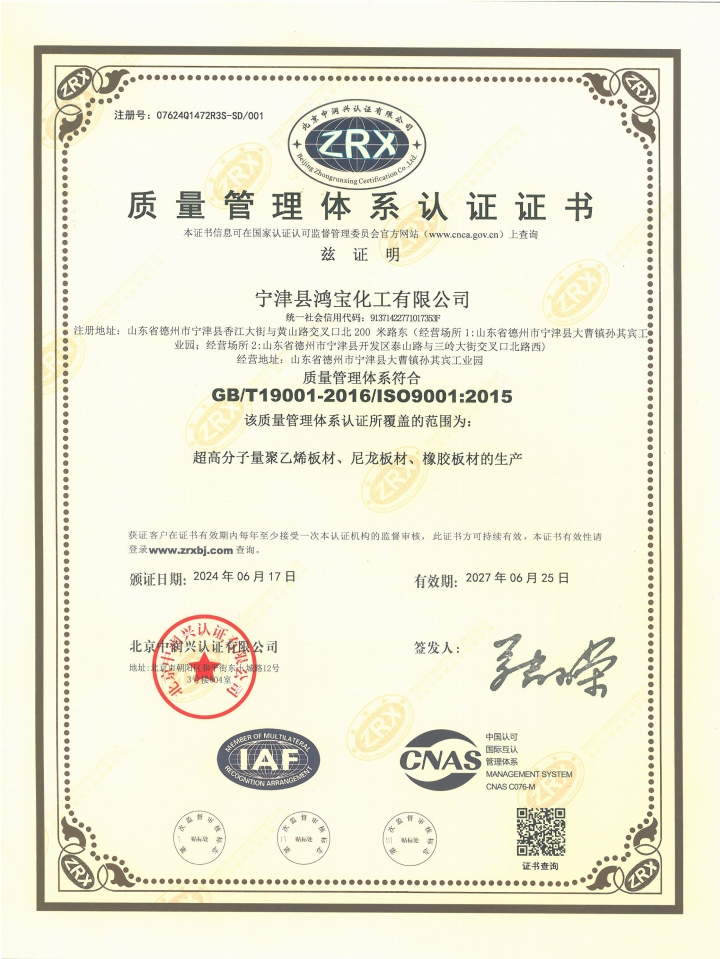
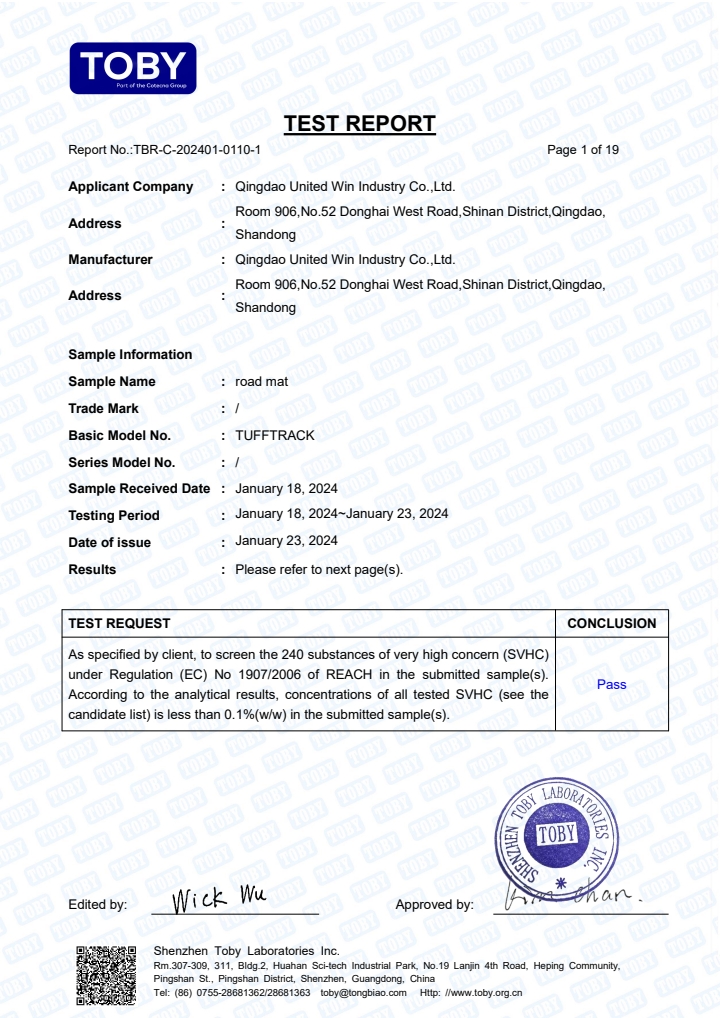
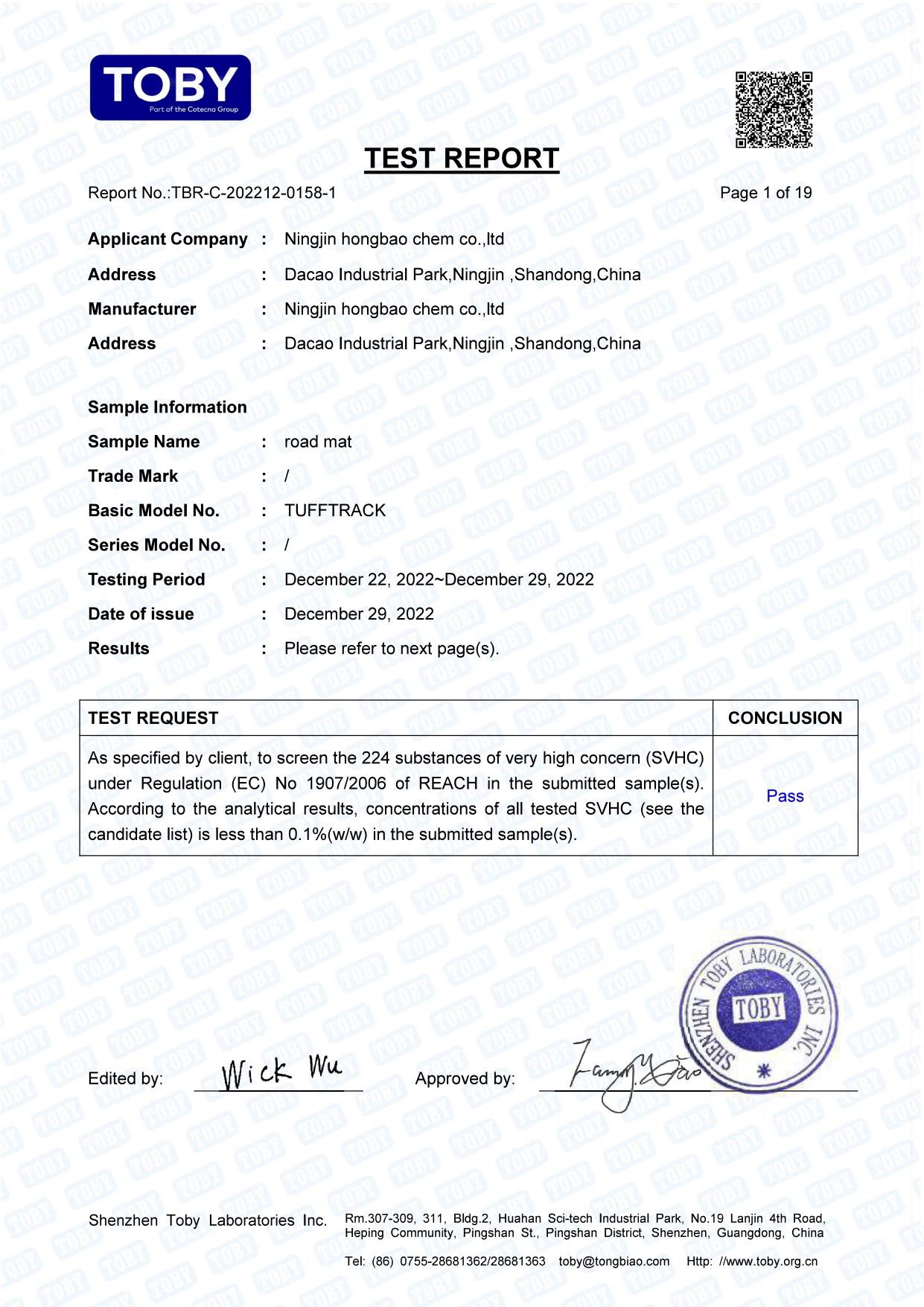
Quality is an integral part of our manufacturing process. From material selection and production to finished-product inspection, we focus on consistency, reliability and meeting the requirements of our customers and their applications.

Manufacturing Quality Control:
Our quality control procedures help maintain product consistency and identify potential issues throughout the manufacturing process, from incoming materials to finished products.

Material Selection:
We select materials according to product specifications and intended applications, with a focus on durability, dimensional stability and consistent performance.

Testing & Technical Documentation:
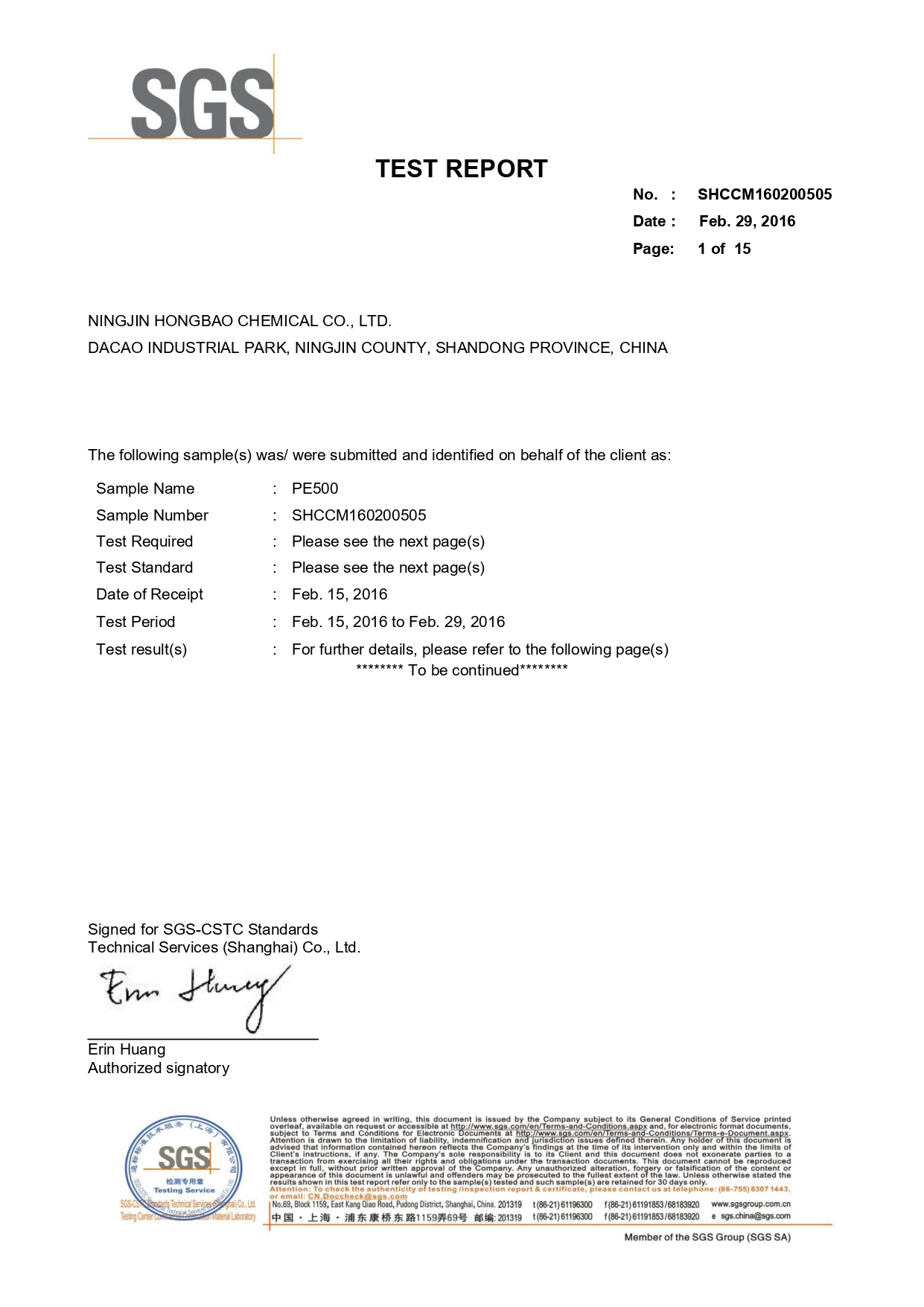
Relevant test reports, conformity documentation and technical information are available for applicable products to support customer evaluation and project requirements.
As Chinese industrial new?material manufacturers accelerate their pace of internationalization, Shandong Haizhao New Material Technology Co., Ltd. has formally rolled out its global?market development...
Against the background of China’s new?material industrial transformation and high?end manufacturing upgrading, long?established manufacturers are playing a vital role in driving steady quality improve...
As competition intensifies across China’s non?mechanical engineering equipment manufacturing industry, after?sales technical service and professional communication capability have become increasingly ...
Tell us about your application, ground conditions, expected loading and project requirements. Our team can help identify suitable products and provide the technical information and quotation you need.